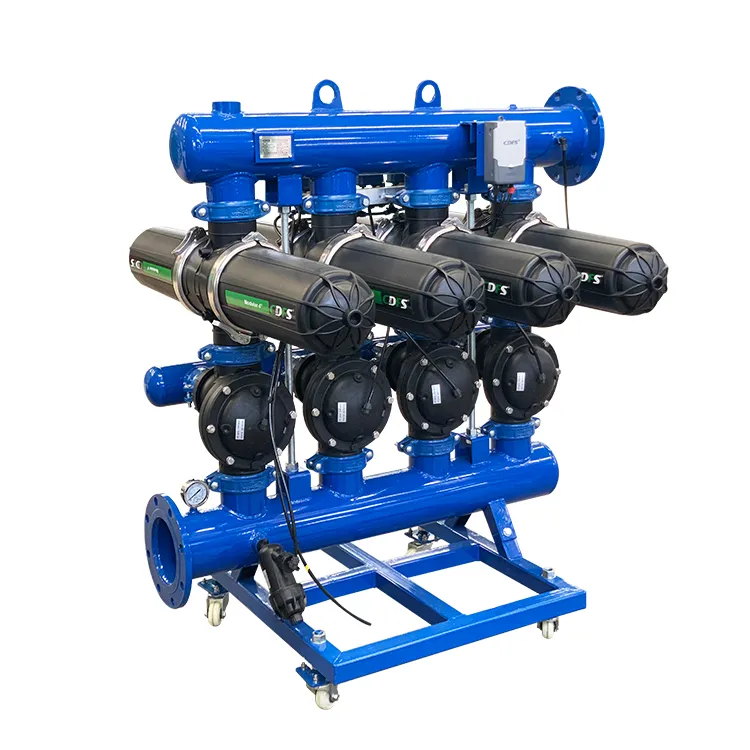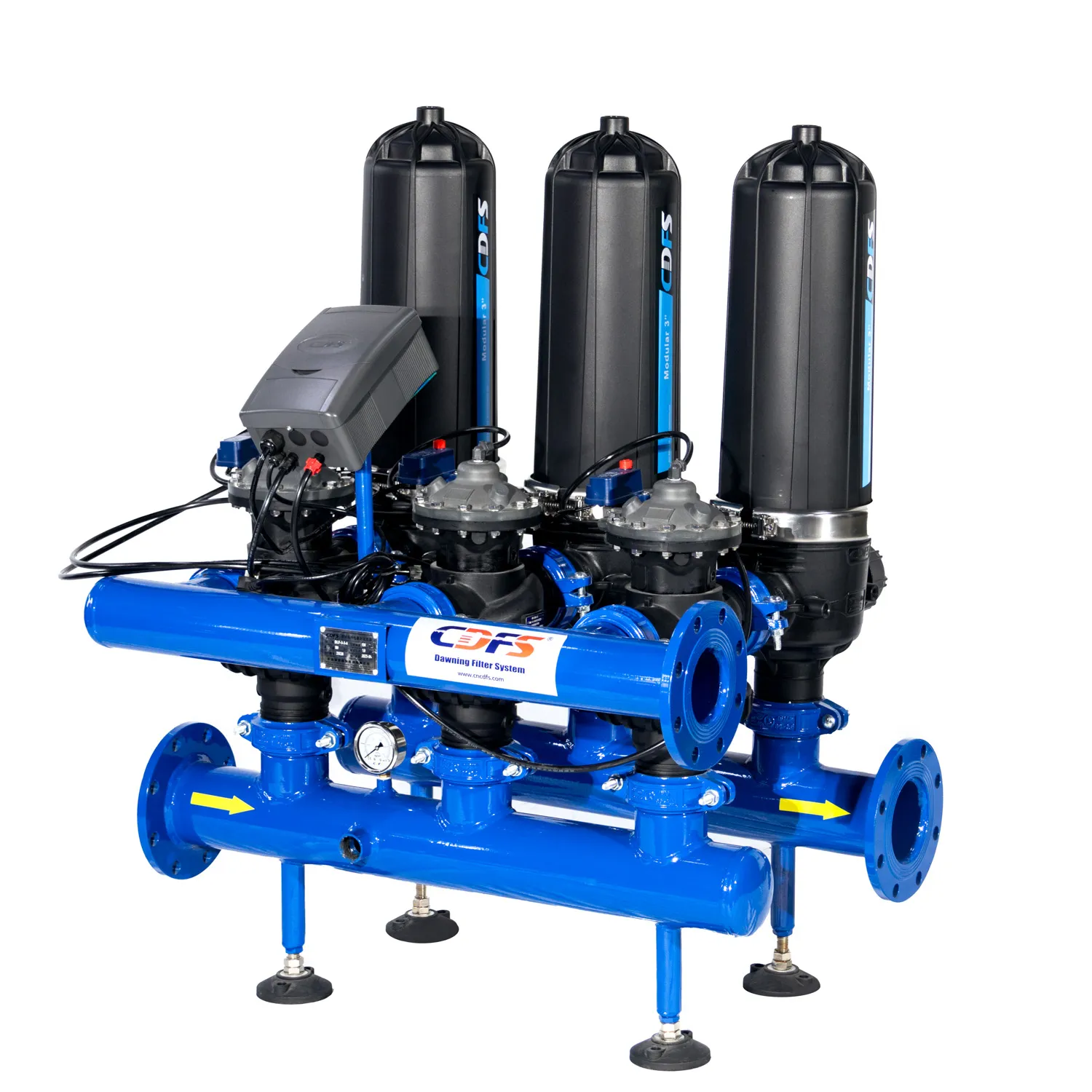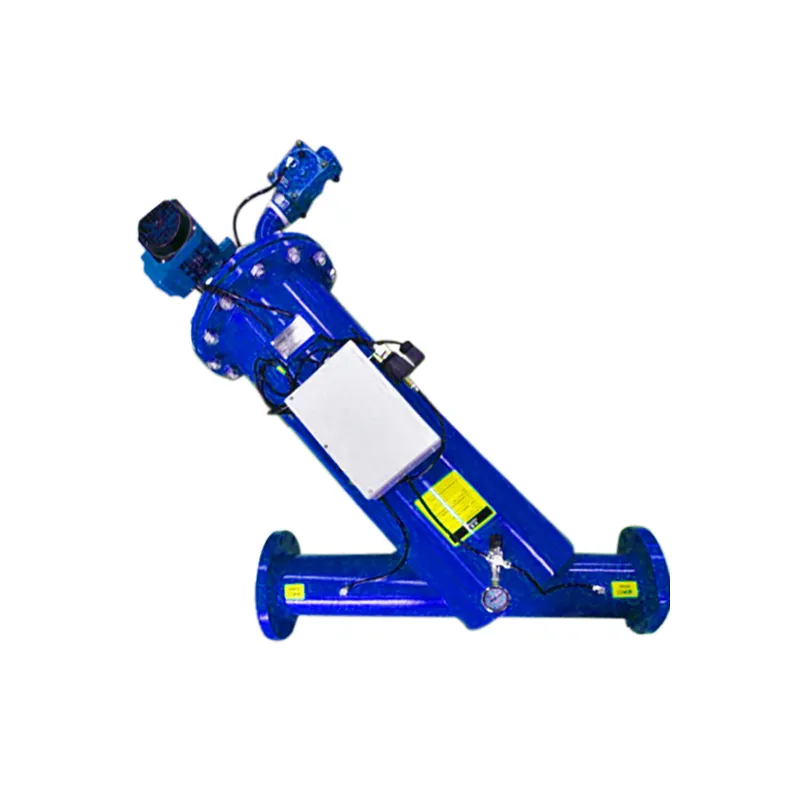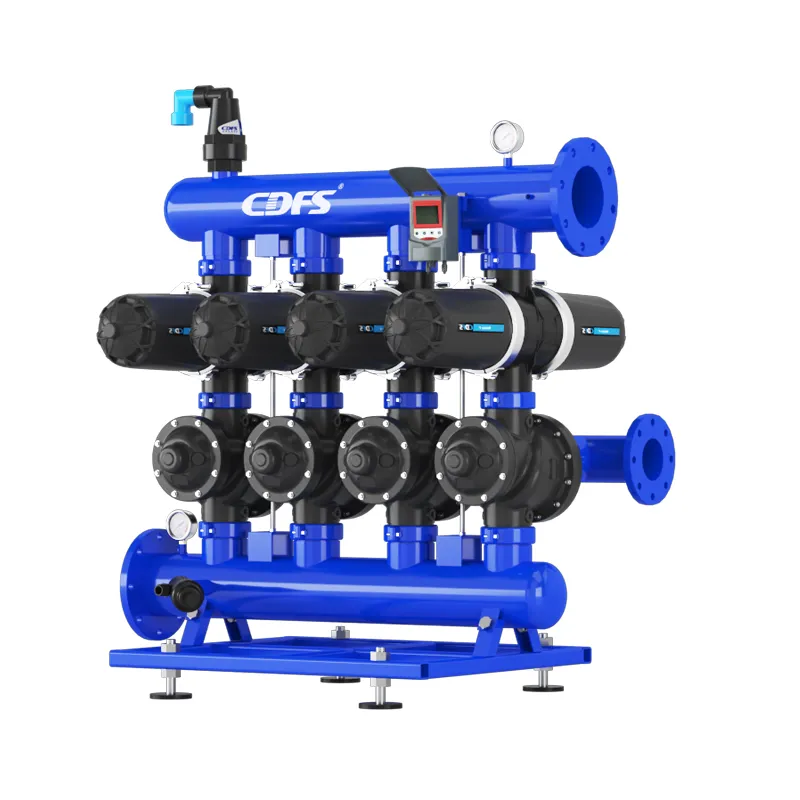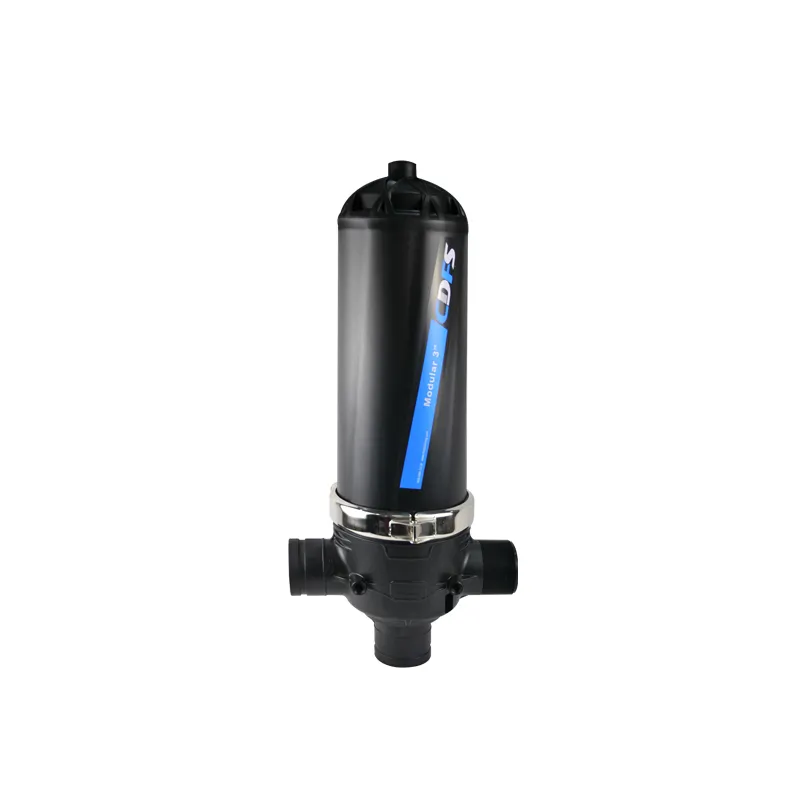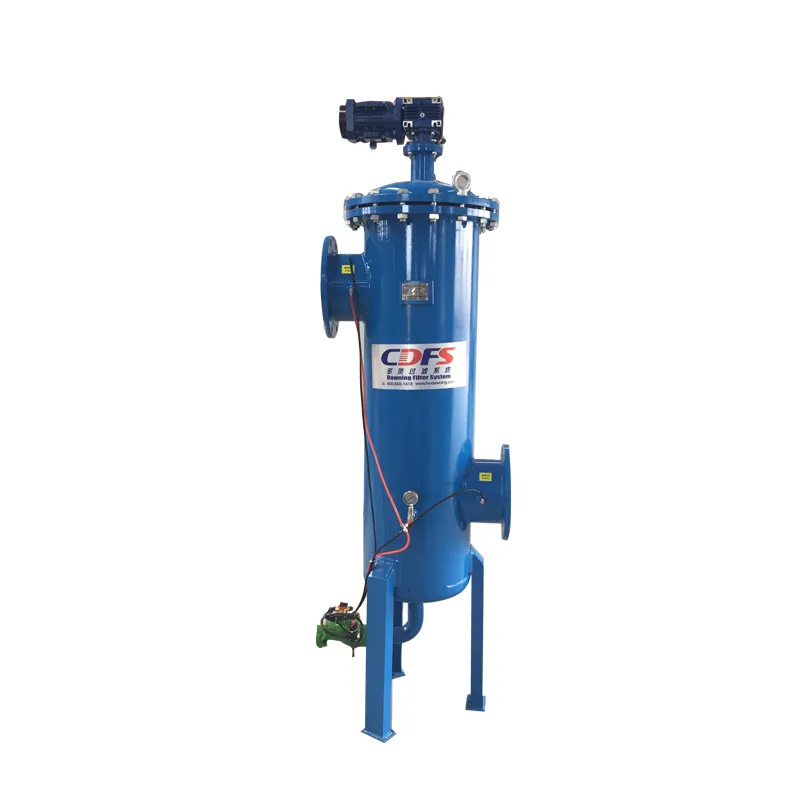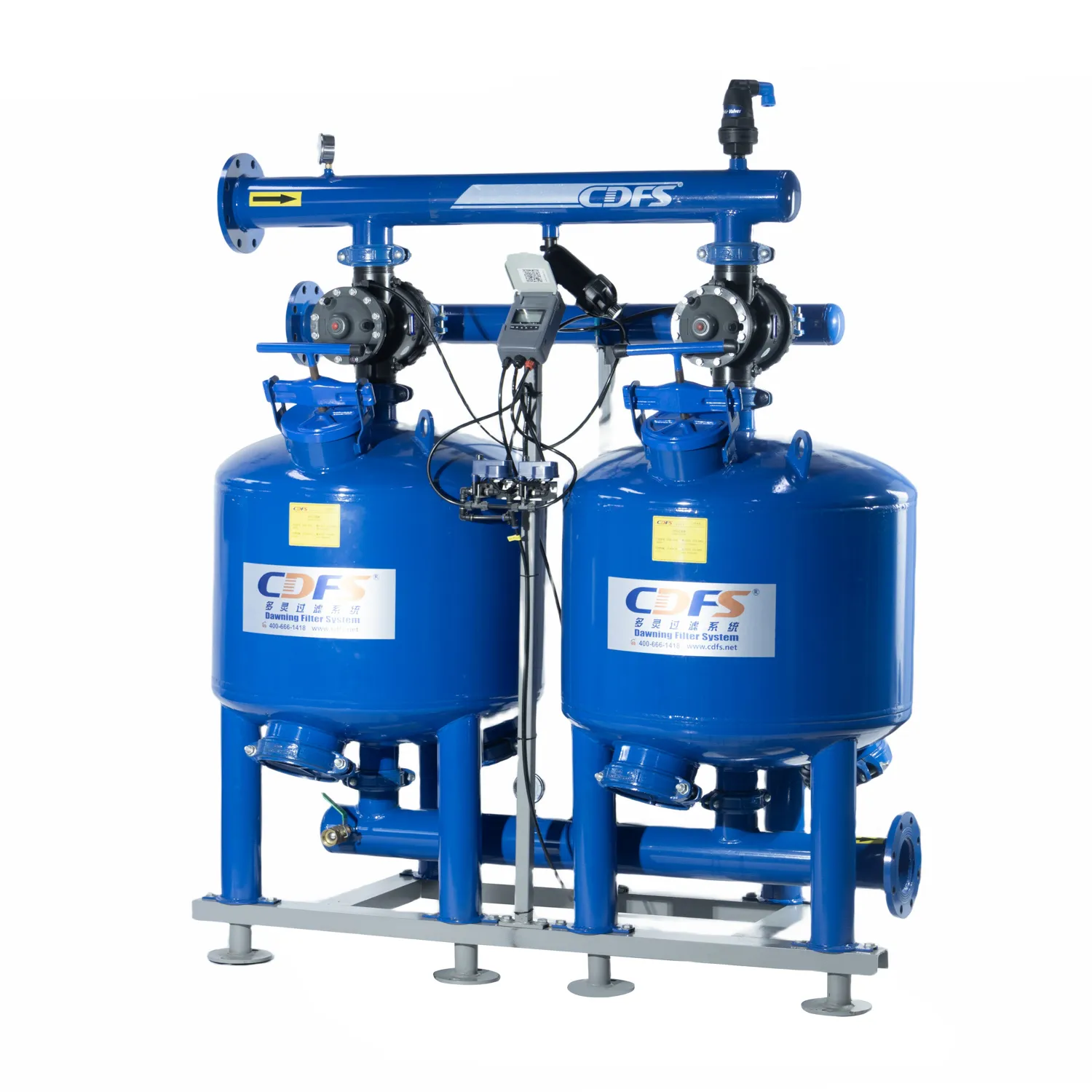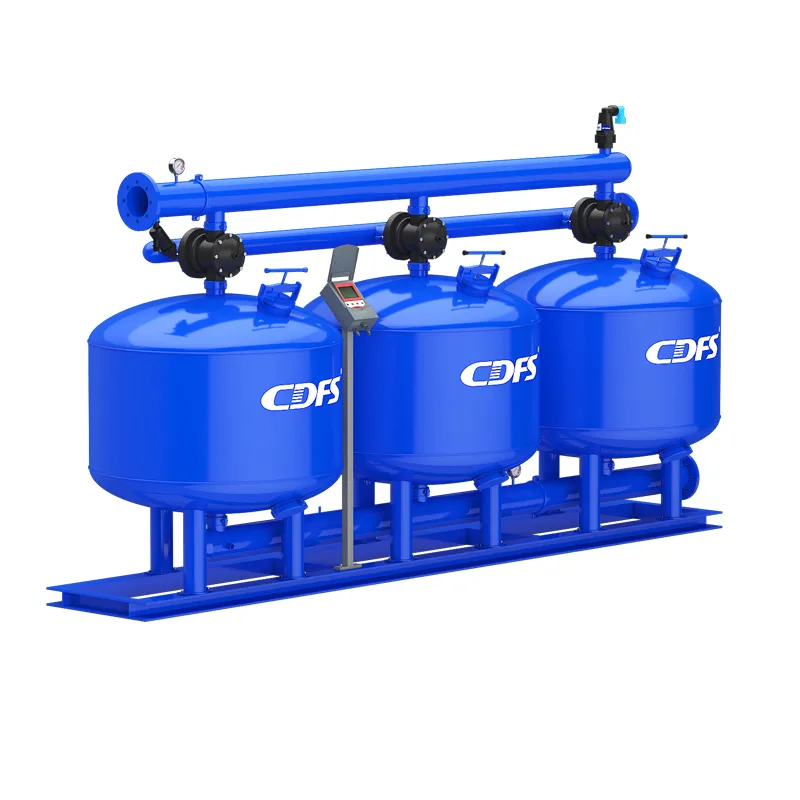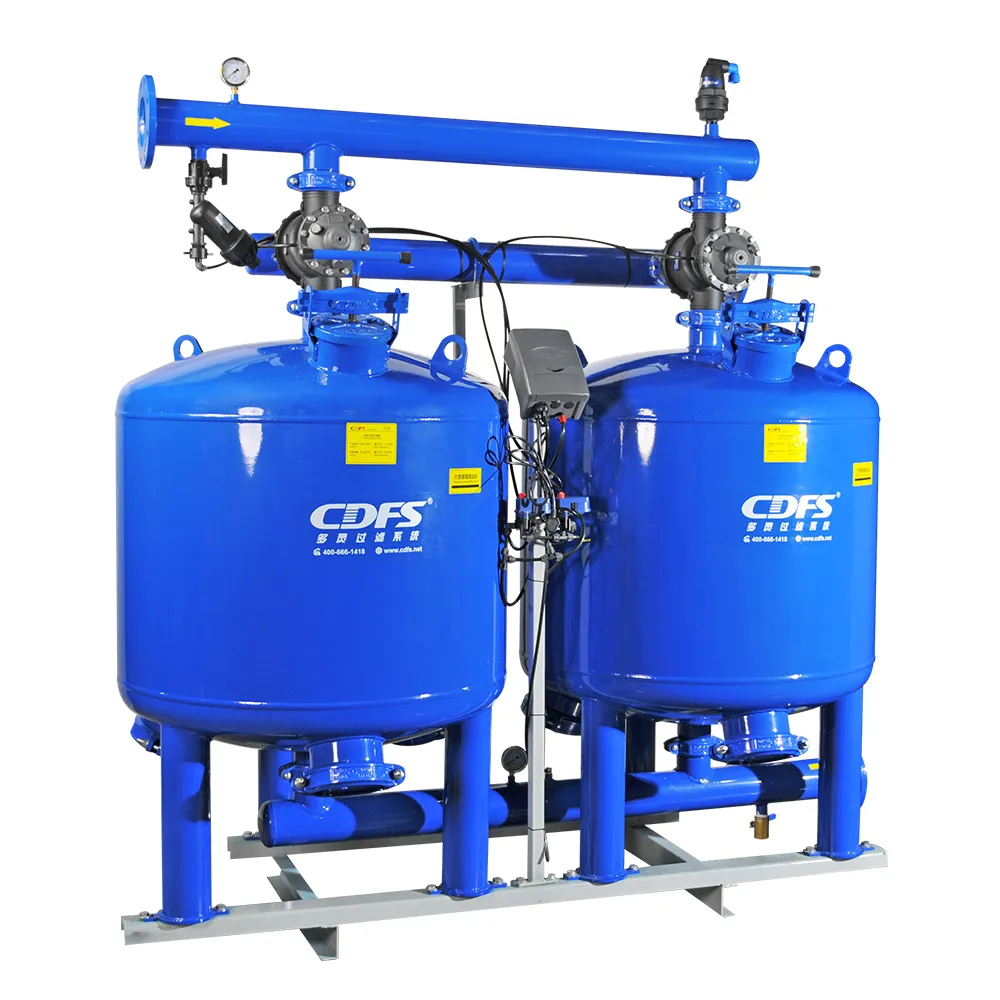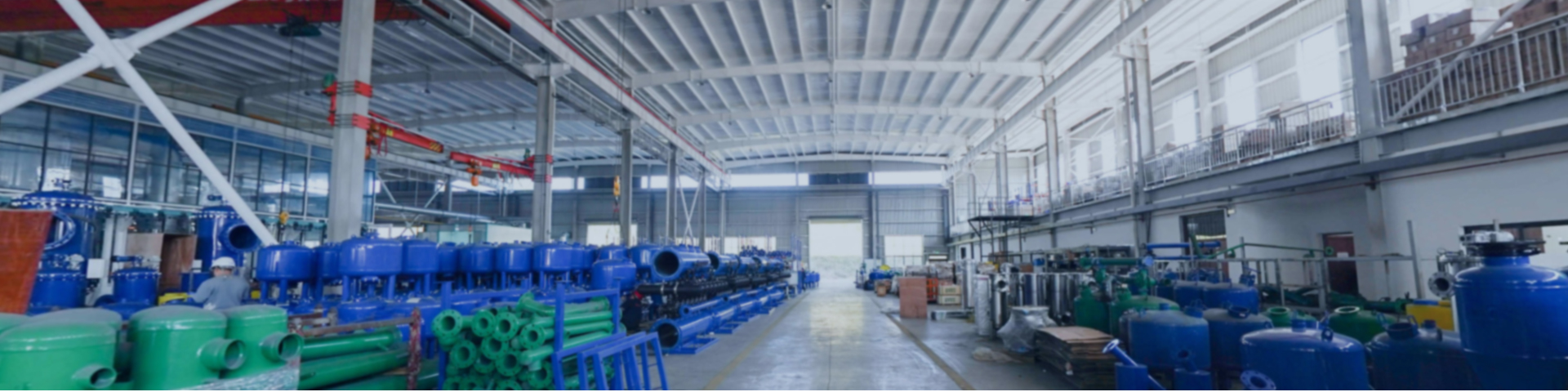
screen filtration system factory streamline logistics and packaging to ensure automatic screen filters reach customers in optimal condition. Protective packing materials and secure crating prevent damage during transport. Coordinated shipping schedules reduce lead times and improve delivery reliability. Efficient logistics enhance the overall customer experience and facilitate timely installation and use.
After-sales support is often integrated with production planning in a screen filtration system factory. Feedback from customers regarding installation, performance, and maintenance informs factory adjustments and improvements. Service teams coordinate with production to address common issues and implement design enhancements. This close feedback loop helps the factory produce automatic screen filters that align closely with user needs, enhancing product satisfaction and market reputation.
Q: How does an Automatic screen filter factory test the durability of its screen filters? A: An Automatic screen filter factory typically conducts high-pressure endurance tests, cyclic cleaning simulations, and long-term flow performance evaluations to verify durability. These tests simulate harsh field conditions to ensure the filter can withstand long-term use without structural failure. Q: What materials are commonly used by an Automatic screen filter factory for screen construction? A: Stainless steel is the most commonly used material by an Automatic screen filter factory due to its corrosion resistance, strength, and longevity. In some cases, polymer or composite materials may also be used for specific water qualities or cost considerations. Q: How does an Automatic screen filter factory support system integration for its filters? A: An Automatic screen filter factory often designs filters with compatibility for various control systems, including PLCs, timers, and pressure differential sensors. This allows easy integration into automated irrigation, industrial processing, or water treatment systems. Q: What quality certifications are expected from a reliable Automatic screen filter factory? A: A reputable Automatic screen filter factory typically complies with international standards like ISO 9001, CE, or NSF certifications. These demonstrate consistent manufacturing processes, safety compliance, and product reliability in global markets. Q: Can an Automatic screen filter factory provide technical guidance during installation? A: Yes, many Automatic screen filter factories offer technical documentation, remote support, or on-site assistance to ensure correct installation. Proper setup is crucial to maximize filtration efficiency and ensure the automatic cleaning system operates as intended.
The filter’s performance is very stable under different water qualities. It is simple to install and maintain. Definitely a great choice for industrial water treatment.
Highly cost-efficient filter with layered quartz and carbon media. Our cooling water system runs cleaner, and maintenance intervals have been extended significantly.
To protect the privacy of our buyers, only public service email domains like Gmail, Yahoo, and MSN will be displayed. Additionally, only a limited portion of the inquiry content will be shown.
We want an irrigation filter system that prevents algae buildup and ensures smooth flow in our green...
Can your irrigation filters be automated for timer-based backwashing? Looking for solutions to reduc...


 EN
EN
 FR
FR
 NL
NL
 RU
RU
 AR
AR
 VI
VI
 LO
LO
 RO
RO
 TH
TH
 MY
MY
 MS
MS
 PT
PT
 ES
ES
 KO
KO
 BE
BE
 JA
JA
 FIL
FIL
 KA
KA
 DE
DE
 IT
IT