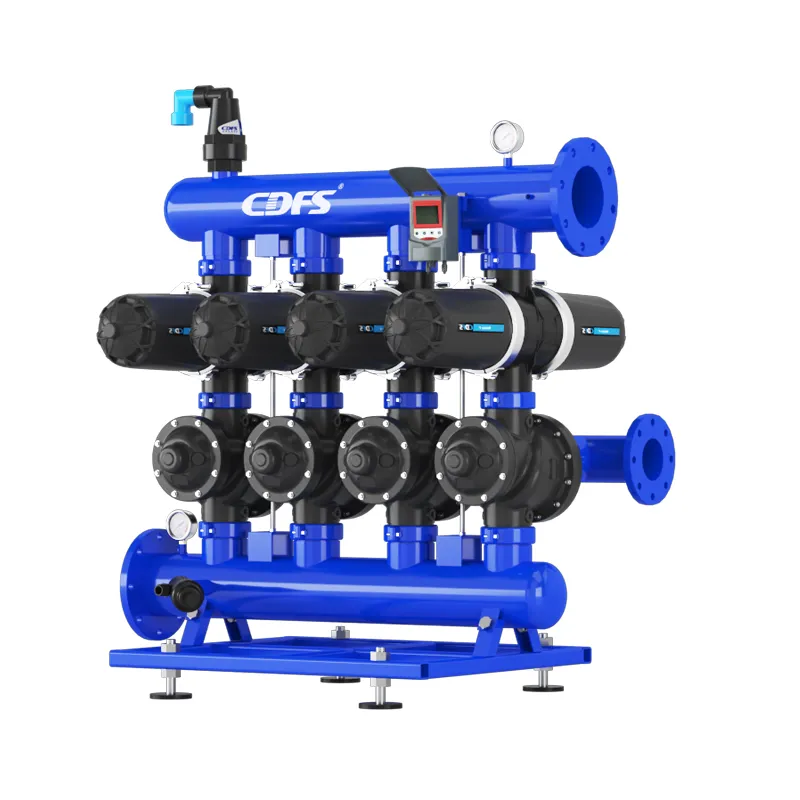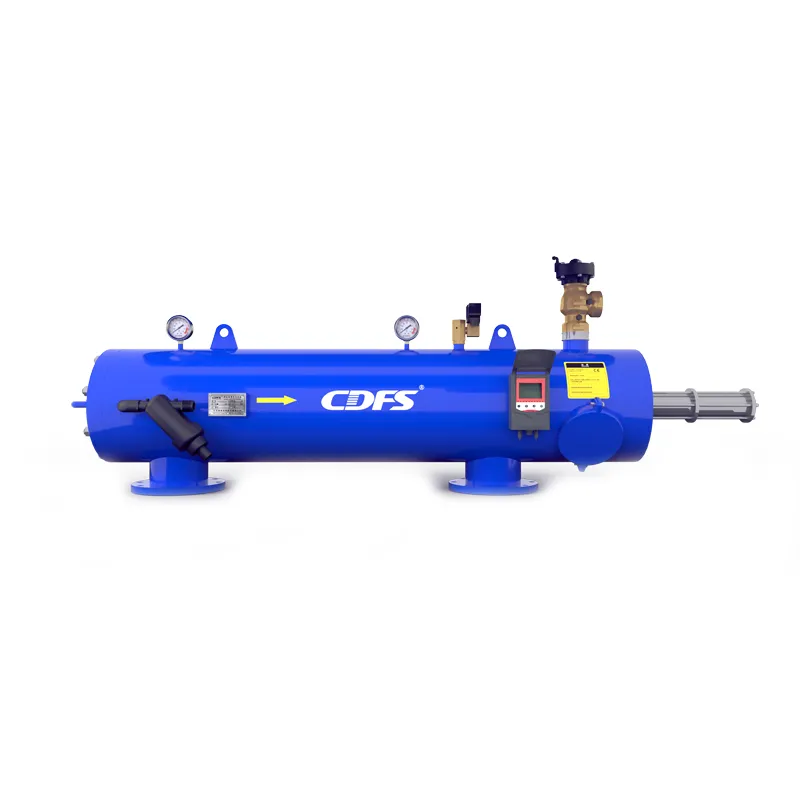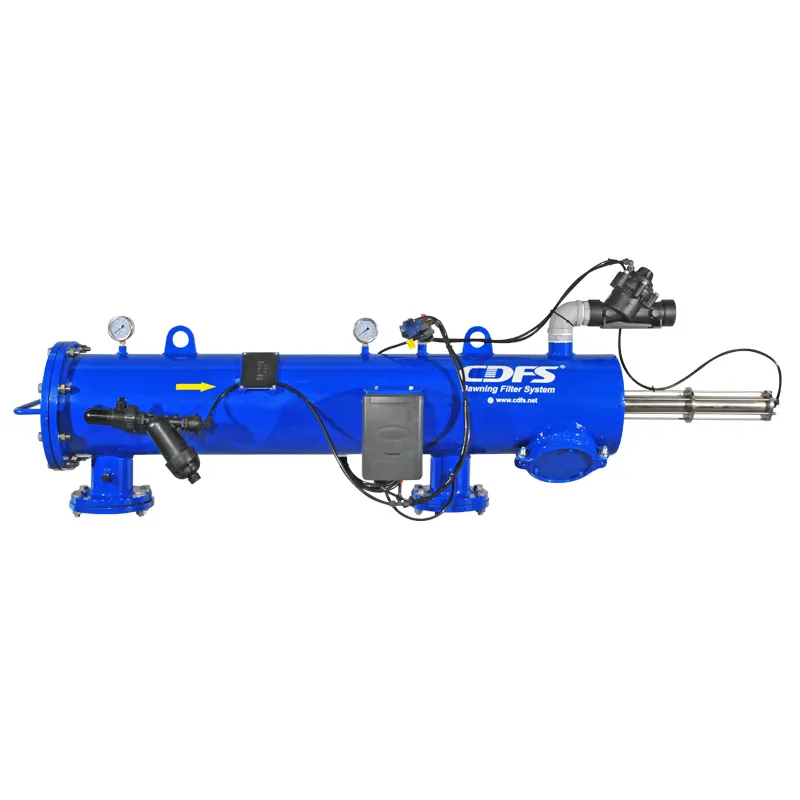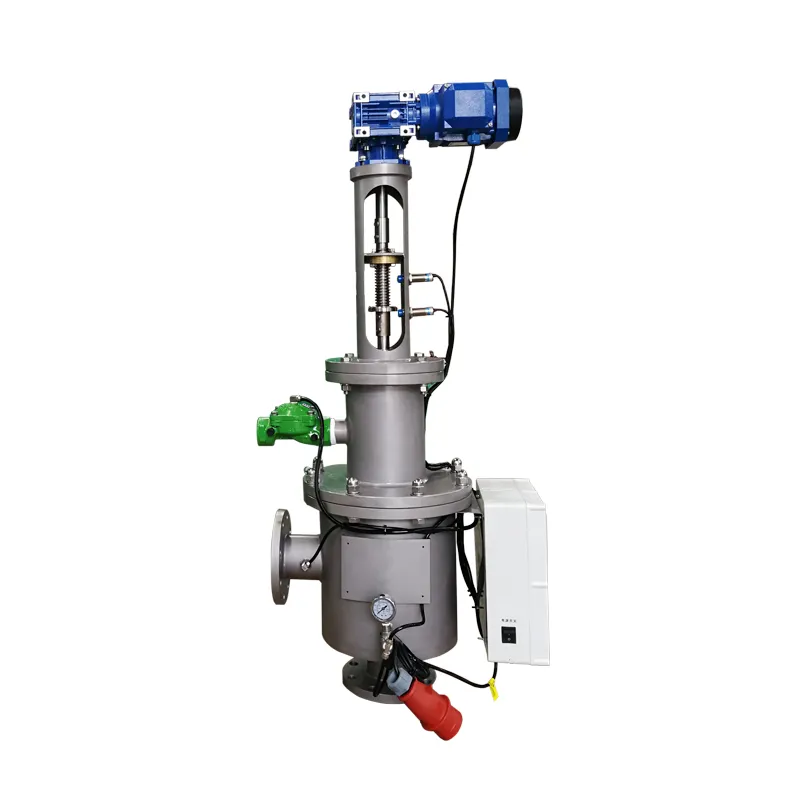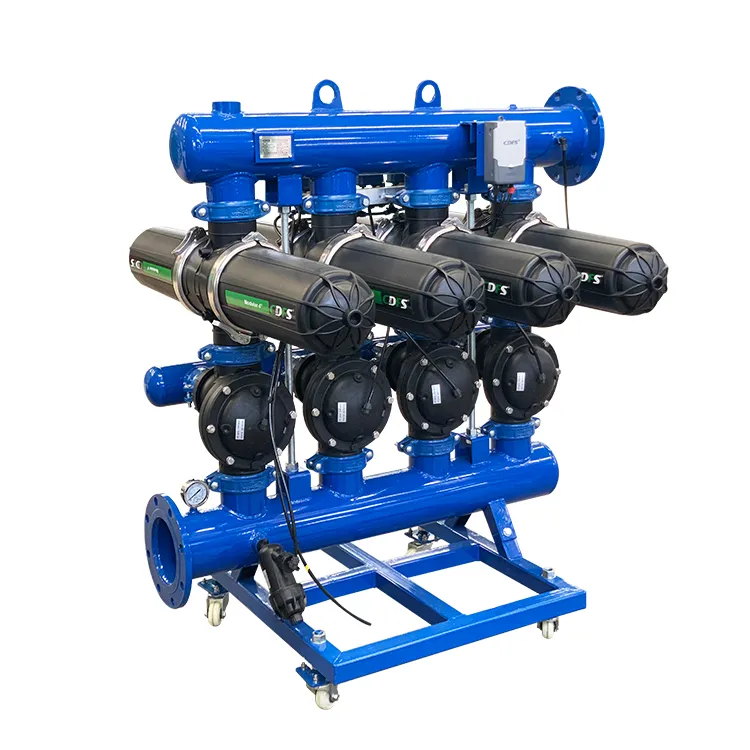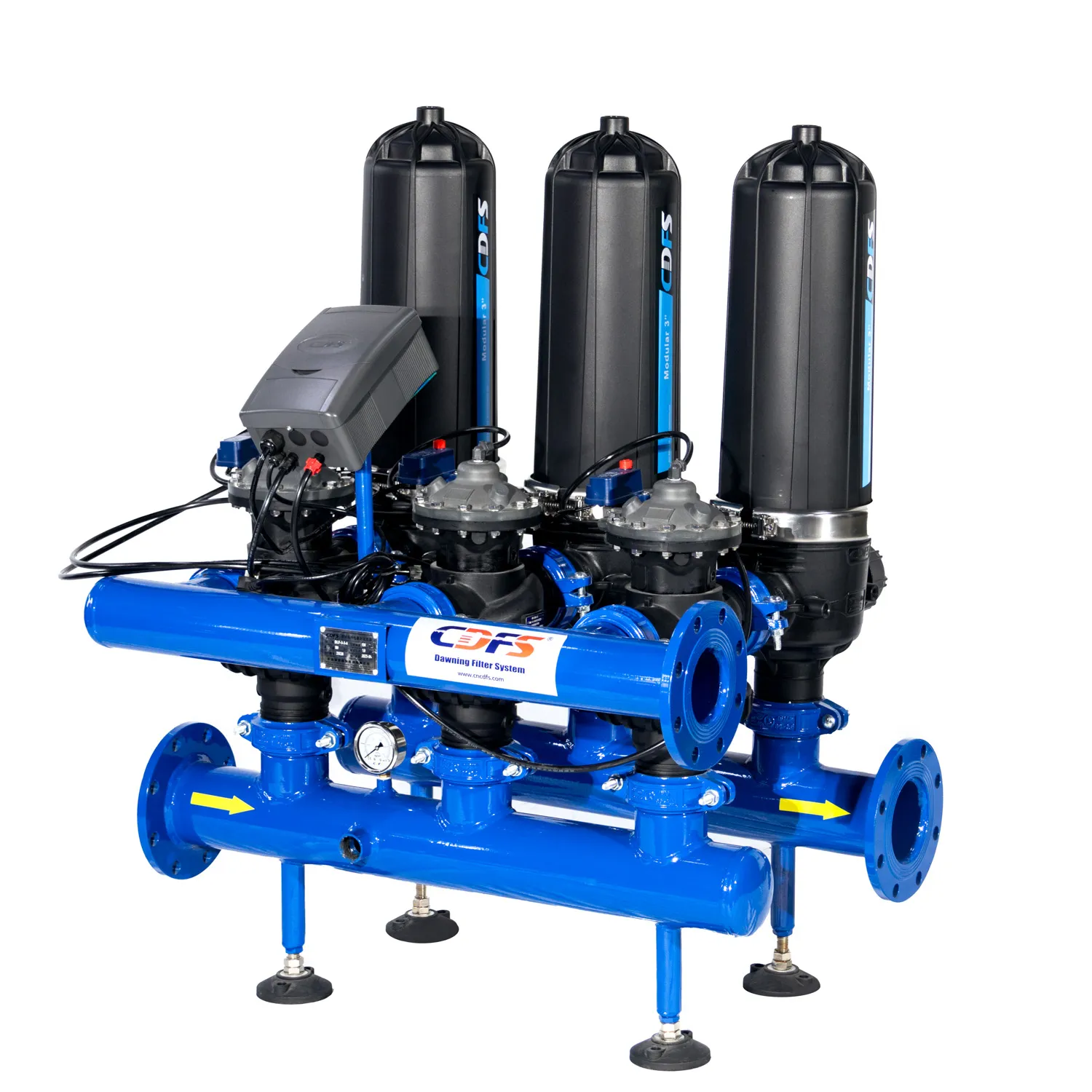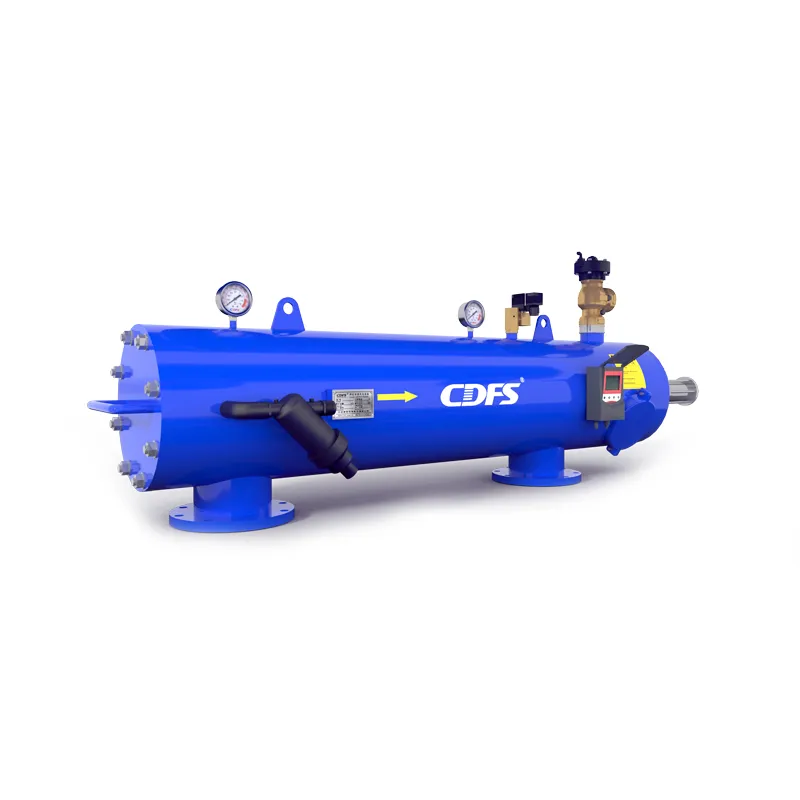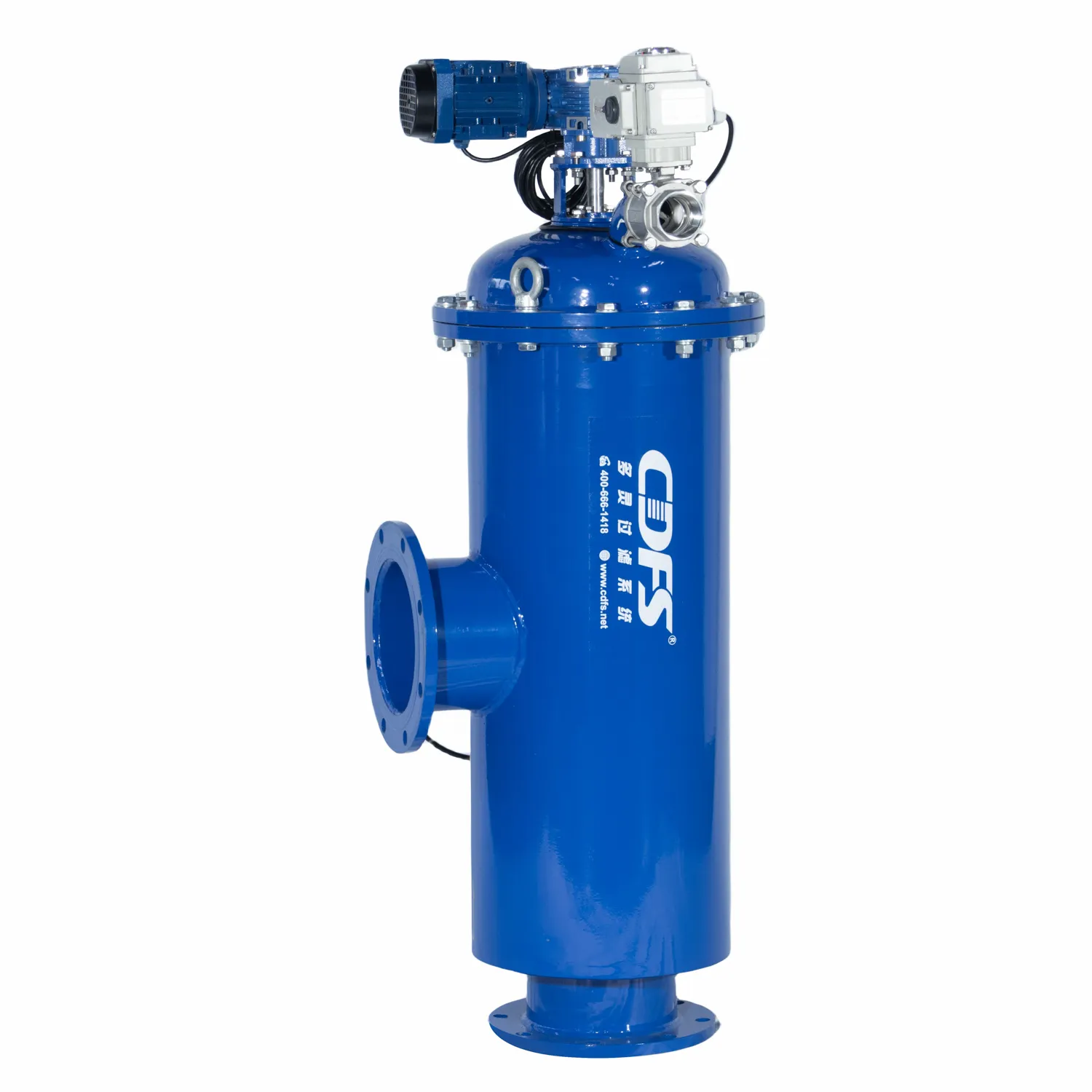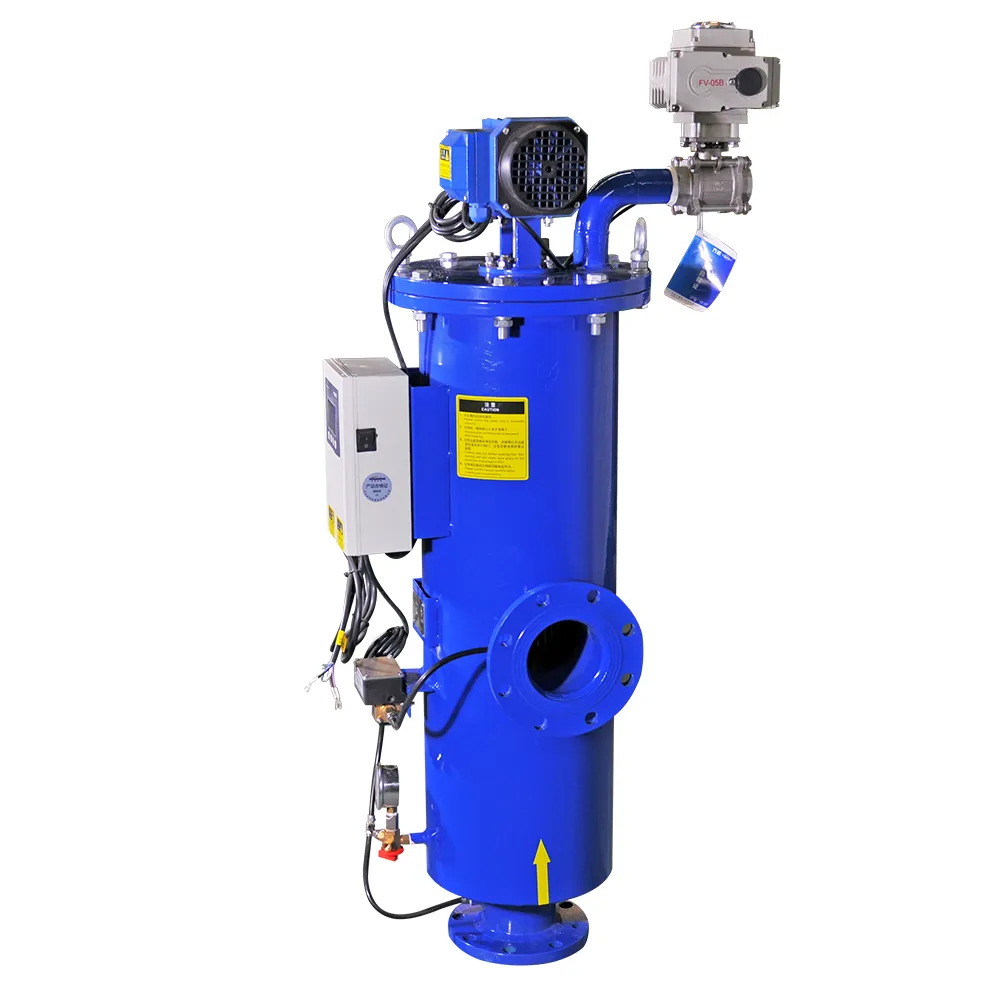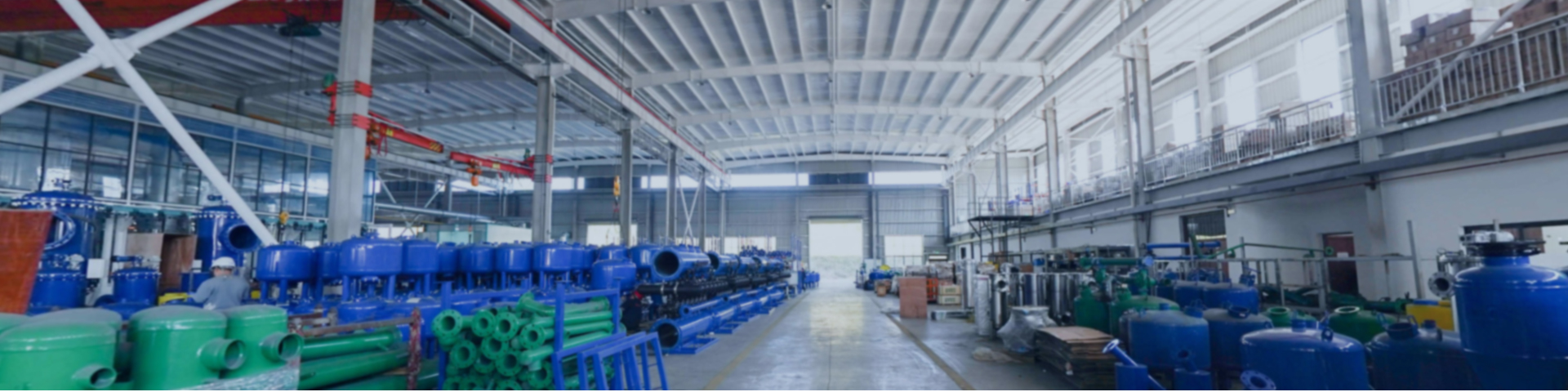
By implementing advanced production automation and precision tooling, media filtration agriculture use factory can maintain strict tolerances and consistent quality in every filter unit. Automated welding, molding, and sealing procedures reduce human error and increase repeatability. This technical refinement ensures that media filters produced at these factories meet stringent reliability and efficiency demands, making them suitable for high-volume or mission-critical installations.
To support modern water treatment systems, some media filtration agriculture use factory integrate automation features into their filters, such as backwash timers, actuator valves, and remote monitoring interfaces. These components are built into the unit during manufacturing, allowing easy connection to control panels or SCADA systems once installed in the field, enhancing ease of maintenance and operational oversight.
Q: What is the primary function of Media filter factory products? A: Products made by Media filter factory are designed to remove suspended solids and particles from water using layers of granular media. This process is essential in agriculture, industrial processes, and municipal water systems to ensure clean and clear water for various applications. Q: How does the filtration process work in systems made by Media filter factory? A: Filters from Media filter factory pass water through multiple layers of media like sand, gravel, or anthracite. Larger particles are trapped in the upper layers while finer sediments are captured deeper within, ensuring high filtration efficiency across a range of water qualities. Q: What advantages do Media filter factory filters have over other filtration types? A: Media filter factory filters offer large filtration surface area, minimal energy consumption, and easy maintenance. They are particularly effective in treating water with high sediment loads and can operate for extended periods before requiring backwashing. Q: Are Media filter factory systems suitable for automated operations? A: Yes, filtration systems from Media filter factory can be equipped with automatic backwash controls and sensors, allowing them to operate with minimal manual intervention. This enhances system reliability and ensures consistent filtration performance. Q: What are the typical maintenance needs of filters produced by Media filter factory? A: Maintenance mainly involves periodic backwashing to flush out accumulated debris and occasional inspection of media layers. With proper usage, the filtration media in Media filter factory systems can last several years before needing replacement.
This irrigation filter does a great job intercepting sand and algae. It stabilizes water flow and ensures even distribution, which has helped our crops grow healthier.
This media filter softens our irrigation water while removing suspended solids effectively. It prevents blockages and scaling, which has improved overall system reliability.
To protect the privacy of our buyers, only public service email domains like Gmail, Yahoo, and MSN will be displayed. Additionally, only a limited portion of the inquiry content will be shown.
We want an irrigation filter system that prevents algae buildup and ensures smooth flow in our green...
What’s the capacity of your multi-layer media filters? We are looking for a unit suitable for medi...



 EN
EN
 FR
FR
 NL
NL
 RU
RU
 AR
AR
 VI
VI
 LO
LO
 RO
RO
 TH
TH
 MY
MY
 MS
MS
 PT
PT
 ES
ES
 KO
KO
 BE
BE
 JA
JA
 FIL
FIL
 KA
KA
 DE
DE
 IT
IT